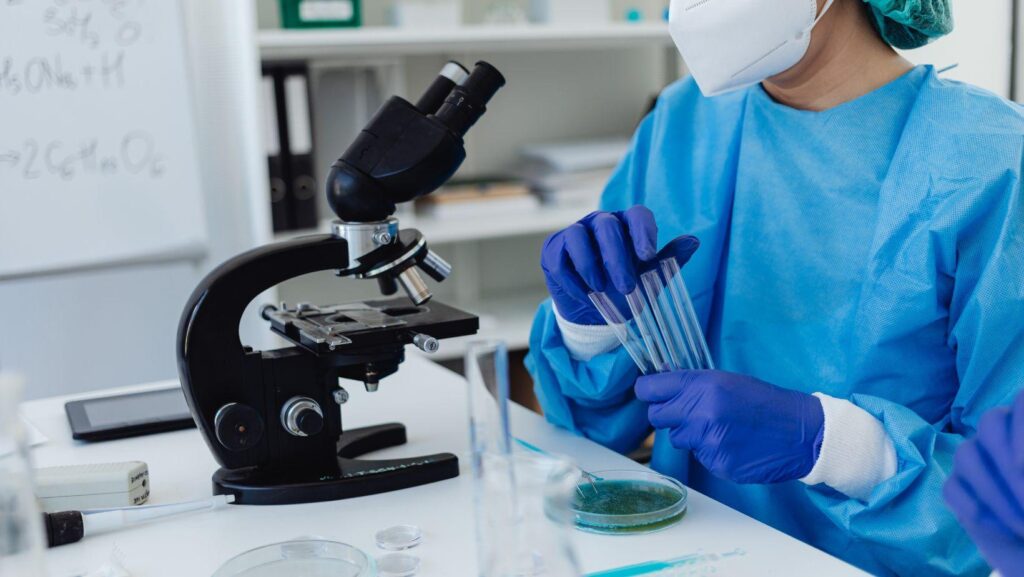
A vial of spit can now flag gum disease, screen for HPV-linked oral cancer, and help researchers track markers tied to diabetes and heart disease. Saliva carries DNA, RNA, proteins, hormones, and antibodies, many drawn straight from the bloodstream through tiny capillaries in the gum tissue. That makes it a genuine window into what’s happening elsewhere in the body, not just the mouth.
Salivary diagnostics work best today as an accessible screening and monitoring tool for oral disease, hormone tracking, and infection detection, with systemic disease applications like diabetes and cardiovascular risk still maturing in clinical use. Dentists already use spit-based tests to check for periodontal bacteria and oral cancer risk. Endocrinologists use them to track cortisol. Researchers are pushing the boundaries further, looking at whether a saliva sample can catch a heart attack risk or an autoimmune disease before symptoms show.
None of this replaces a blood draw or a biopsy outright. Saliva testing earns its place as a faster, cheaper, needle-free first step, one that’s reshaping how early detection gets done in dental chairs and doctor’s offices alike. If you’re curious whether it has a place in your own care, it’s worth asking a practice like Castro Valley Advantage Dental at your next checkup.
What Salivary Diagnostics Measure
Salivary diagnostics measure biological material, proteins, genetic fragments, hormones, and microbes, that leach into saliva from blood vessels, glands, and oral tissue. Because saliva sits at the crossroads of the mouth and the bloodstream, it picks up signals from both local oral conditions and systemic disease processes.
Which Biomarkers Appear in Saliva?
Saliva contains a mix of proteins, DNA, RNA, antibodies, hormones, and metabolic byproducts. Some come directly from salivary glands. Others arrive through a small but steady flow of blood plasma that crosses into oral fluid.
Common biomarker categories include:
- Genetic material: cell-free DNA and RNA, including tumor-associated mutations
- Proteins and enzymes: inflammatory markers linked to gum disease or tissue damage
- Hormones: cortisol, estrogen, testosterone, and melatonin
- Antibodies: immune responses to viral or bacterial infections
- Microbial DNA: bacteria tied to cavities or periodontal disease
Each category supports a different kind of test, from cancer surveillance to stress monitoring.
How Saliva Samples Are Collected and Analyzed
Collection is as simple as spitting into a tube or swabbing the inside of the cheek. No needles, no trained phlebotomist, no clinic visit in many cases, since some kits ship straight to a patient’s home.
Once collected, labs run samples through techniques like PCR for genetic material, immunoassays for hormones and antibodies, or mass spectrometry for protein profiling. Point-of-care devices are being developed to shrink this process down to a handheld reader, similar to a rapid strep test, though most in-depth salivary analysis still happens in a lab setting.
Sample handling matters. Saliva needs to be collected under consistent conditions, often fasting, and at a specific time of day for hormone tests, since eating, brushing teeth, or the time since waking can all shift results.
Why Results Can Differ From Blood Tests
Saliva concentrations of a given biomarker rarely match blood concentrations exactly. Some substances cross from blood into saliva efficiently; others get diluted, degraded by oral enzymes, or blocked entirely.
Cortisol is a good example: salivary cortisol reflects the active, unbound fraction circulating in blood, which makes it clinically useful but not a direct stand-in for a serum cortisol number. Genetic material in saliva also has a longer shelf life than in blood, which helps with sample storage but means timing interpretation differs from a fresh blood draw.
Which Disease Risks Can Saliva Tests Help Assess?
Saliva testing supports risk assessment and monitoring across oral disease, infections, hormone-related conditions, and a growing list of systemic diseases under active research. The strength of evidence varies widely by condition, with oral cancer and gum disease furthest along and cardiovascular or neurological applications still in earlier research stages.
Oral Cancer and Precancerous Changes
Saliva-based tests look for genetic mutations, abnormal proteins, and cell-free DNA fragments associated with oral squamous cell carcinoma and precancerous lesions. Dentists use visual and tactile exams as the front line, but salivary biomarker panels are being studied as an added layer to flag patients who need biopsy or imaging sooner.
HPV-related oral cancers, in particular, have drawn research interest since HPV DNA can show up directly in saliva.
Gum Disease and Oral Inflammation
Periodontal disease leaves a clear signature in saliva: elevated inflammatory enzymes, bacterial DNA from pathogens like Porphyromonas gingivalis, and byproducts of tissue breakdown. Several chairside tests already measure these markers to grade gum disease severity or track how well a patient responds to treatment.
This category represents one of the more mature, clinically available uses of salivary diagnostics in dentistry.
Viral and Bacterial Infections
Saliva testing gained mainstream visibility during the COVID-19 pandemic, when spit-based PCR tests became a widely used alternative to nasal swabs. The same underlying approach extends to other viral and bacterial targets, including antibody detection for past infections.
Convenience drives adoption here: a saliva sample avoids the discomfort of a nasal swab and can be self-collected under supervision.
Hormones, Stress, and Endocrine Conditions
Cortisol, DHEA, melatonin, and reproductive hormones all appear in saliva at levels that track their active, biologically available fraction in blood. This makes salivary hormone testing popular for stress research, sleep studies, and fertility tracking, since samples can be collected at multiple points throughout the day without repeated needle sticks.
Sjögren’s disease research, which focuses on salivary gland dysfunction itself, has also driven the development of point-of-care tests aimed at diagnosing dry mouth severity.
Systemic Disease Research
Beyond the mouth, researchers are studying saliva for signs of Alzheimer’s disease, autoimmune conditions, and certain cancers outside the oral cavity, including early work on lung cancer screening. Salivary exosomes, tiny vesicles that carry protein and genetic cargo, are a particular focus for tracking tumor activity non-invasively.
These applications remain largely in the research and early clinical trial stage rather than routine practice.
From Diabetes to Heart Disease
Glucose and inflammatory markers in saliva have shown correlations with blood sugar control and cardiovascular risk factors. Elevated salivary glucose has been studied as a potential diabetes screening signal, and inflammatory proteins tied to gum disease overlap with markers used in heart disease risk assessment.
Neither application has reached the reliability of standard blood-based diagnostics, but the overlap between oral inflammation and systemic disease keeps this an active research area.
What Saliva Tests Can and Cannot Tell You Today
Saliva tests deliver genuine clinical value for screening and monitoring, but a positive or abnormal result rarely stands alone as a diagnosis. Understanding what category a given test falls into changes how much weight to put on its result.
Screening, Monitoring, and Diagnosis Are Not the Same
A screening test flags elevated risk in someone without symptoms, a monitoring test tracks a known condition over time, and a diagnostic test confirms disease presence with enough certainty to guide treatment. Salivary tests for gum disease bacteria or cortisol levels function well as screening and monitoring tools.
Oral cancer biomarker panels currently support risk stratification, helping decide who needs a biopsy sooner, rather than replacing the biopsy itself. Confusing these categories leads to false reassurance or unnecessary alarm.
Accuracy Limits and Sources of Sample Error
Saliva composition shifts with hydration, recent food or drink, oral hygiene habits, and time of day. Blood contamination from minor gum bleeding can also skew protein and DNA readings.
Common sources of error include:
- Eating, drinking, or smoking shortly before sample collection
- Inconsistent collection timing for hormone tests
- Bacterial overgrowth from poor oral hygiene affecting microbial DNA counts
- Sample degradation from improper storage or shipping delays
Standardized collection protocols reduce these issues but don’t eliminate them entirely.
When Follow-Up Testing Is Needed
An abnormal salivary result should prompt confirmation through blood work, imaging, or tissue biopsy, depending on the condition in question. A gum disease marker points toward a dental exam and possible deep cleaning. An oral lesion flagged by a biomarker panel points toward biopsy.
Dentists and physicians treat salivary diagnostics as a first step that narrows down what to investigate next, not a final answer.
Using Saliva Testing as One Part of Preventive Care
Saliva testing fits best as an early-warning layer inside a broader preventive care routine, not a standalone health check. Its low cost and ease of repeat sampling make it well suited to catching gum disease early, tracking hormone patterns over weeks, or screening for infections without a clinic visit.
Pairing it with regular dental exams, annual physicals, and blood panels builds a fuller picture. A dentist who spots elevated periodontal bacteria in a saliva sample can act months before that inflammation shows up as bone loss on an X-ray. A physician tracking salivary cortisol alongside sleep and blood pressure data gets context a single lab value wouldn’t provide.
Ask your dentist or doctor whether a salivary test is validated for the specific condition being checked, and treat any result as a prompt for discussion rather than a final verdict.