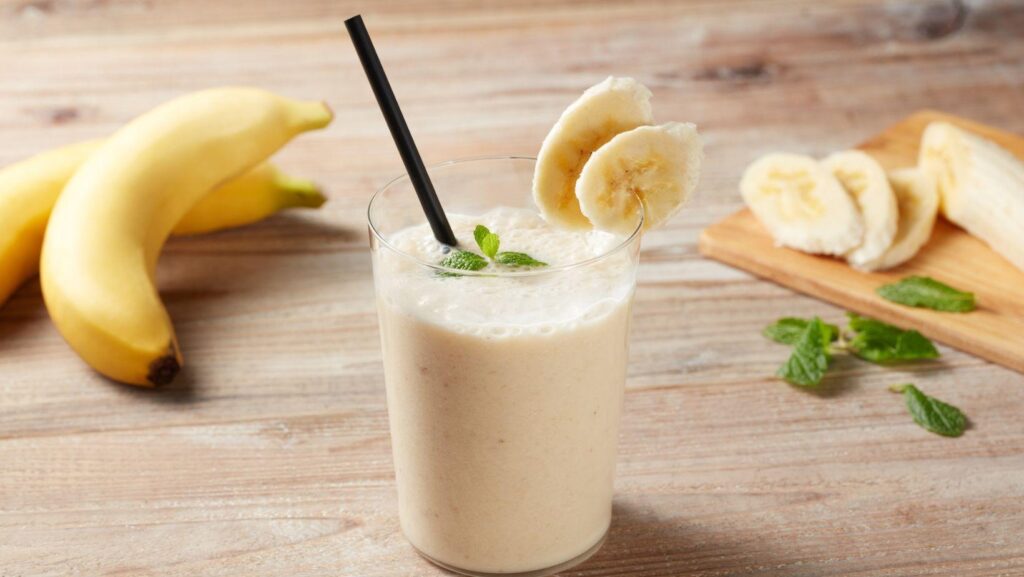
That post-workout protein shake feels like the responsible choice. It is also quietly acidic enough to soften the outer layer of your teeth, sometimes more than the sugar in it ever could. Protein shakes and fruit smoothies wear down enamel primarily through acidity and prolonged contact time, not sugar content alone, which is why even “clean” or sugar-free versions carry real risk.
The mechanism is simple once you see it. Acidic ingredients drop the pH in your mouth, minerals leach out of enamel, and thick, clingy drinks sit against tooth surfaces far longer than water ever would. Add in dry mouth from a workout and the damage compounds before you notice anything is wrong, which is why early erosion often gets spotted first during a checkup at a practice like Chattanooga Dental Studio.
What Makes a Shake or Smoothie Risky for Enamel?
Three factors decide how much damage a drink can do: how acidic it is, how much sugar it carries, and how long it clings to your teeth. A drink that scores high on all three does more harm in one sitting than a mildly acidic drink finished in a few minutes.
How Acidity Softens Tooth Enamel
Acid is the primary driver of enamel erosion, ahead of sugar. When pH drops below roughly 5.5, the mineral structure of enamel starts to dissolve, a process dentists call demineralization. Citrus-flavored protein powders, fruit purees, and flavored whey isolates often sit well below that threshold. Saliva can buffer and repair some of this damage, but only if it gets the chance between exposures.
Why Sugar Feeds Cavity-Causing Bacteria
Sugar does not dissolve enamel directly; it feeds the bacteria that produce the acid that does. Oral bacteria metabolize sugars, whether from added sweeteners or naturally occurring fruit sugars, and excrete acid as a byproduct. A smoothie loaded with banana, mango, and honey can generate a bacterial acid attack that lasts long after the glass is empty. This is a separate pathway from the acid already present in the drink itself, so a beverage can be low-acid and still be a sugar problem.
How Thick, Sticky Drinks Prolong Tooth Contact
Consistency matters as much as chemistry. Thick shakes and smoothies coat teeth and linger in the grooves and between contacts, extending the time enamel spends bathed in acid or sugar. Water rinses through quickly; a protein shake with yogurt or nut butter clings to enamel surfaces for much longer. That extended dwell time gives bacteria more fuel and gives acid more time to work before saliva can neutralize it.
Which Protein Drinks and Smoothies Pose the Greatest Risk?
Clear, citrus-flavored whey isolates and fruit-dominant smoothies sit at the erosive end of the spectrum, while milk-based shakes with neutral flavoring sit at the safer end. The format and base ingredient matter more than the protein source itself.
Why Clear Whey and Citrus Protein Drinks Are More Erosive
Clear whey isolates, marketed as a lighter alternative to creamy shakes, are often flavored with citric acid or malic acid to mimic fruit juice. Those acids give the drink a low pH, sometimes comparable to soda or juice. Ready-to-drink bottled shakes formulated for shelf stability frequently rely on similar acidic preservatives, which is worth noting if you rotate between powder and bottled versions.
How Fruit-Heavy Smoothies Can Affect Teeth
Smoothies built around citrus fruit, berries, or pineapple combine acidity with fructose in one glass. Blending also breaks fruit down into a form that spreads acid and sugar across more of the tooth surface than eating the whole fruit would. A green smoothie with lemon juice or a berry blend with orange juice as its liquid base tends to land on the more erosive end of the scale.
Lower-Risk Choices: Plain Protein, Milk-Based Shakes, and Less Acidic Ingredients
Milk and dairy-based protein drinks tend to be gentler on enamel, and some research on protein-rich beverages suggests dairy proteins may offer a protective effect compared with plant-based alternatives. Unflavored or vanilla powders mixed with milk avoid the added citric acid found in fruit-flavored versions. Swapping citrus juice for milk or water as your smoothie base, and choosing spinach, banana, or oats over pineapple or berries, lowers the acid load without sacrificing protein content.
|
Drink Type |
Typical Acidity |
Sugar Load |
Enamel Risk |
|
Clear whey, citrus-flavored |
Low pH |
Low-moderate |
Higher |
|
Fruit-heavy smoothie (citrus/berry) |
Low pH |
High |
Higher |
|
Milk-based shake, plain/vanilla |
Near-neutral |
Low-moderate |
Lower |
|
Water-based shake, unflavored powder |
Near-neutral |
Low |
Lower |
How Drinking Habits Can Intensify Enamel Wear
How you drink a shake matters as much as what is in it. Sipping slowly, drinking after intense exercise, and repeating the habit daily all extend or multiply enamel’s exposure to acid.
Why Sipping a Shake Over Time Matters
Sipping a shake over an hour at your desk keeps acid in contact with your teeth far longer than drinking it in five minutes. Each sip resets the acid attack before saliva has finished neutralizing the last one. A shake nursed through a two-hour gym session functions less like one exposure and more like a dozen small ones stacked back to back.
How Workouts and Dry Mouth Reduce Natural Protection
Exercise reduces saliva flow, and mouth breathing during a workout dries oral tissue further. Saliva is your primary defense against acid, since it buffers pH and redeposits minerals into softened enamel. Drinking an acidic shake immediately after a workout, when your mouth is already dry, removes much of that natural protection right when you need it most.
Why Frequency Matters More Than an Occasional Drink
One acidic smoothie a week is unlikely to cause noticeable wear. A daily post-workout shake, paired with a mid-morning smoothie and flavored sparkling water, adds up to repeated acid exposure that enamel never fully recovers from between hits. Dentists watching for erosion pay closer attention to how many times a day your teeth get hit with acid than to any single drink’s ingredient list.
Keeping Protein Shakes in Your Routine Without Sacrificing Enamel
You can keep protein shakes and smoothies in your routine by changing timing and technique, not by giving them up. Small adjustments to how you drink and what you do right after matter more than eliminating the habit.
Finish Drinks Promptly Instead of Grazing on Them
Drink your shake in one sitting rather than stretching it across a workout or workday. A 15-to-20-minute window limits acid exposure to a single event that saliva can recover from afterward. Pouring a shake into a to-go cup you sip on for hours defeats this, even if the recipe itself is mild.
Rinse With Water and Wait Before Brushing
Rinse your mouth with plain water immediately after finishing a shake or smoothie. This clears residual sugar and acid without mechanically scrubbing softened enamel. Wait at least 30 minutes before brushing, since brushing right after an acid exposure can abrade enamel while it is still in a demineralized state.
Choose Ingredients and Serving Methods That Limit Exposure
Use a straw for smoothies and acidic protein drinks to reduce direct contact with front teeth. Favor milk or water as your liquid base over citrus juice, and choose plain or vanilla powders over tart, fruit-mimicking flavors. Pairing your shake with a meal, rather than drinking it alone, also boosts saliva flow and helps buffer the acid.
Conclusion
Protein shakes and smoothies are not automatically harmful to enamel, but their acidity, sugar content, and thickness combine to create real erosion risk when consumed carelessly. Citrus-flavored whey and fruit-heavy smoothies carry the highest risk, while milk-based, plain-flavored drinks sit at the safer end. Sipping slowly, drinking after workouts when your mouth is dry, and repeating the habit daily all intensify the effect. Finishing drinks promptly, rinsing with water, waiting before brushing, and picking less acidic ingredients let you keep your protein routine while protecting your smile.