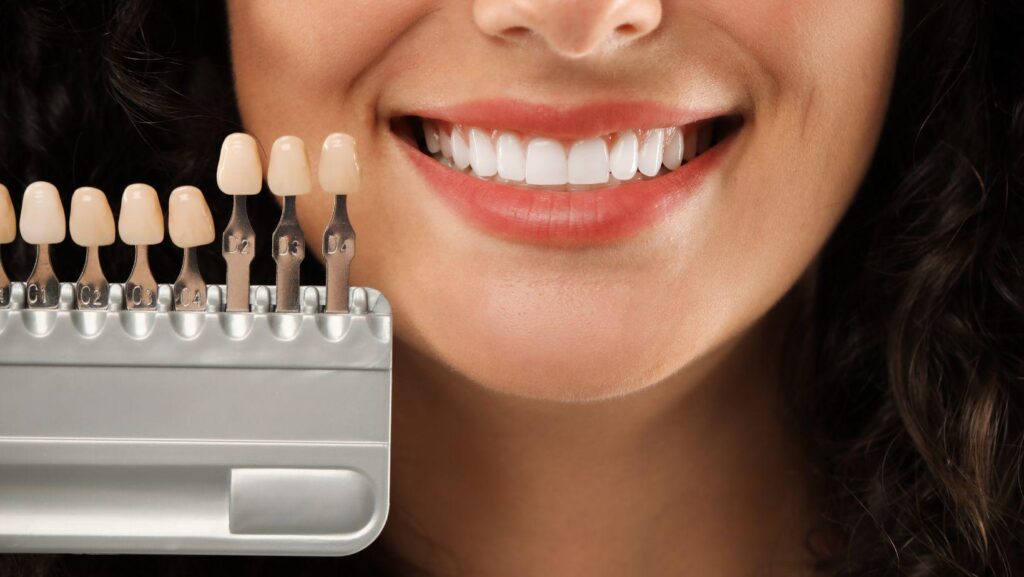
Two people can use the identical whitening kit, follow the same instructions, and end up with strikingly different results. One walks away with a noticeably brighter smile; the other barely notices a change. That gap frustrates a lot of people who assume whitening gel works like a universal reset button for tooth color.
Teeth whitening produces different results for different people because tooth discoloration has multiple causes, and bleaching agents like hydrogen peroxide only address stains sitting on or near the enamel surface.
Deeper discoloration, existing dental work, and even the natural thickness of your enamel all change how much a whitening product can do. Genetics, past dental history, and daily habits all factor into how your teeth respond.
Once you know what’s driving your specific discoloration, whether that’s surface staining or an underlying issue a practice like Inland Institute Oral & Maxillofacial Surgery might evaluate, you can set realistic expectations and pick a treatment that actually matches the problem.
What Determines Whether Whitening Will Work?
Whitening success comes down to three things: where the stain sits, how your enamel is built, and whether your teeth are clean enough for the gel to reach the surface. Miss any one of these factors and results fall short, even with a strong product.
Surface Stains vs. Deep Discoloration
Surface stains, called extrinsic stains, come from food, drinks, and tobacco sitting on top of the enamel. Whitening gel breaks these down quickly and reliably.
Deep discoloration, called intrinsic staining, lives inside the tooth structure itself. Bleaching agents struggle to reach it, and in some cases can’t touch it at all.
If your teeth look yellow from years of coffee and never had major dental trauma, whitening likely works well. If they look gray, brown, or streaked from the inside out, expect limited change.
How Enamel Thickness and Natural Tooth Color Affect Results
Thinner enamel lets more of the yellowish dentin underneath show through, and no amount of surface bleaching changes that base color. Some people are simply born with thicker, whiter enamel and others with thinner, more translucent enamel.
This is genetic, not a hygiene issue. Two siblings with identical brushing habits can have completely different whitening outcomes because their enamel structure differs.
Naturally yellow-toned teeth also tend to respond better to whitening than teeth with gray or brown undertones, which resist bleaching agents more stubbornly.
Why a Dental Cleaning May Be Needed First
Tartar buildup blocks whitening gel from reaching the tooth surface, leading to blotchy, uneven results. Whitening gel cannot penetrate hardened plaque, so any stain trapped underneath stays put while the exposed enamel around it brightens.
A professional cleaning removes that buildup and gives whitening product direct contact with your actual enamel. Skipping this step is one of the most common reasons people see patchy or disappointing results at home.
Why Do Some Teeth Resist Whitening Treatments?
Certain teeth resist whitening because the discoloration originates from causes that bleaching agents were never designed to fix. Trauma, medication history, dental restorations, and even how you use a whitening product all play a role in why results vary so widely from person to person.
Intrinsic Stains From Trauma, Fluorosis, or Medication
A tooth that suffered an injury as a child can darken from internal bleeding or nerve damage, producing a gray or brown tint that sits deep in the dentin. Whitening gel has no way to reach that layer effectively.
Fluorosis, caused by excess fluoride exposure during childhood tooth development, creates white or brown mottled patches embedded in the enamel structure. Tetracycline antibiotics taken during childhood or by a mother during pregnancy can also cause banded gray or brown discoloration that runs through the tooth.
These stains don’t respond to over-the-counter or even professional-strength bleaching in most cases.
Crowns, Veneers, Fillings, and Bonding Do Not Change Color
Dental restorations are made of ceramic, composite resin, or porcelain, and none of these materials respond to bleaching chemicals. Whitening only affects natural tooth enamel.
This creates a mismatch problem: if you whiten your natural teeth, any crown, veneer, or filling on a front tooth stays its original shade. Over time, this shows up as an uneven smile with one or more teeth clearly lighter or darker than their neighbors.
If you have visible dental work on front teeth, talk to your dentist before whitening. Sometimes it makes sense to replace the restoration to match your new shade rather than whiten around it.
Product Strength, Fit, and Contact Time
Whitening gel needs adequate peroxide concentration and enough contact time with enamel to work. Weak over-the-counter formulas, expired product, or trays that don’t seal properly against your teeth all reduce effectiveness.
Ill-fitting whitening trays let saliva dilute the gel and let it leak away from the tooth surface before it can work. Custom trays from a dentist hold gel against enamel far more consistently than generic drugstore trays.
Stopping treatment too early is another common issue. Many people give up on strips or trays after a few days, before the gel has had a chance to produce visible change.
New Stains From Coffee, Tea, Tobacco, and Red Wine
Daily habits can undo whitening progress almost as fast as it happens. Coffee, black tea, red wine, tobacco, and dark sauces all deposit new surface pigment onto freshly whitened enamel.
Enamel is slightly more porous right after a whitening treatment, making it more likely to pick up new stains in the following days. Cutting back on these items for 48 hours after whitening helps results last longer.
Without that adjustment period, some people mistake new staining for the whitening never having worked in the first place.
Realistic Shade Changes and Individual Whitening Limits
Every tooth has a whitening ceiling, and once you reach it, more product will not produce more change. Whitening lightens existing tooth color within a genetically determined range; it does not turn teeth a shade they were never capable of reaching.
Two people using the same product can land on different final shades simply because their starting enamel color and structure differ. Expecting a uniform “Hollywood white” outcome from any at-home kit sets up disappointment regardless of technique.
A dentist can give you a realistic shade estimate before you start, based on your current tooth color and the type of staining present.
What Are the Best Options When Whitening Is Not Enough?
When bleaching can’t reach or correct the discoloration, cosmetic bonding, veneers, or a dental evaluation typically fill the gap. Which option makes sense depends on whether the problem is widespread, localized to a single tooth, or tied to an underlying dental issue.
When to Try Dentist-Supervised Whitening
Professional whitening uses higher peroxide concentrations and custom-fitted trays, giving it an edge over store-bought kits for stains that respond only partially to at-home products. A dentist also examines your teeth first, so you’re not spending money on a treatment that has no chance of working.
|
|
At-Home Kits |
Dentist-Supervised Whitening |
|
Peroxide strength |
Lower |
Higher, professionally controlled |
|
Tray fit |
Generic |
Custom-molded |
|
Pre-treatment exam |
No |
Yes |
|
Best for |
Mild surface stains |
Moderate surface and light intrinsic staining |
If you’ve tried an over-the-counter product for several weeks with little change, this is the logical next step before assuming whitening simply won’t work for you.
Cosmetic Bonding and Veneers for Resistant Discoloration
Bonding and veneers cover discoloration that whitening cannot alter, using tooth-colored material placed directly over the enamel. Bonding is a composite resin applied and shaped in a single office visit, making it a faster and lower-cost option for isolated stains or minor chips.
Veneers are thin porcelain shells bonded to the front of the tooth, offering a more durable and stain-resistant solution for widespread intrinsic discoloration. Both options let you choose your final shade, rather than working within the limits of your natural tooth color.
These treatments work well for fluorosis, tetracycline staining, and teeth with old, discolored bonding that no longer matches.
When a Dark Single Tooth Needs Dental Evaluation
A single tooth that has turned gray, brown, or dark relative to the rest of your smile needs a dentist’s evaluation before any cosmetic treatment. This pattern often points to nerve damage, an old injury, or the beginning of internal breakdown inside the tooth.
Whitening a single dark tooth rarely works and can mask a problem that needs treatment, such as a root canal. Get an X-ray and exam first, then decide on bonding, a veneer, or internal whitening based on what the dentist finds.
Finding the Right Solution for Your Smile
Whitening works reliably for surface stains on healthy, natural enamel, and it hits real limits when discoloration comes from inside the tooth or from dental restorations. Enamel thickness, stain origin, product strength, and daily habits all shape how much change you’ll actually see.
If a whitening product hasn’t delivered the results you expected, the stain type or an underlying dental issue is a more likely explanation than the product itself. A dental exam identifies exactly what you’re dealing with, whether that means stronger supervised whitening, bonding, veneers, or treatment of an affected tooth.
Matching the treatment to the actual cause of your discoloration gets you a brighter, more even smile faster than repeating a whitening routine that was never built to fix your specific stain.