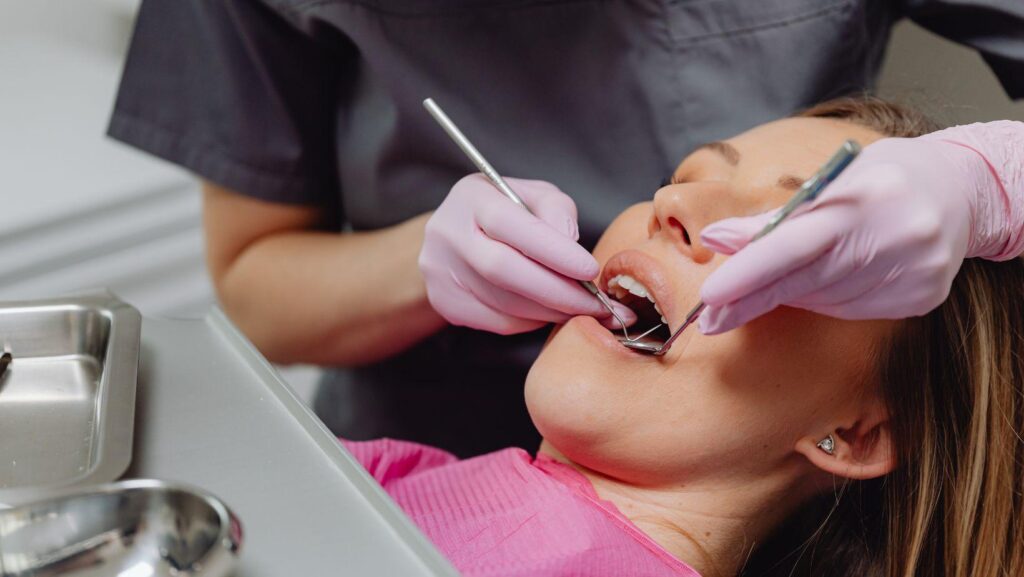
A 25-year-old with coffee-stained teeth and a 60-year-old with worn enamel and old fillings are both chasing a better smile, but they need almost opposite treatment plans. Cosmetic dentistry should prioritize whatever protects the teeth you already have before it addresses how those teeth look, and what counts as a threat to your teeth shifts as you age. Gum recession, bite wear, and old dental work all change the calculus in ways a teenager rarely has to consider.
That difference matters because cosmetic work sits directly on top of your existing oral health. Veneers bonded to a tooth with active decay, or whitening applied over inflamed gums, don’t hold up the way they should. The foundation has to come first, and a good cosmetic dentist in High Point, NC will check it before recommending any aesthetic treatment.
This article looks at what needs attention before any cosmetic procedure, how priorities shift from your 20s into your 60s, and how to sequence treatment so the results last.
What Should Be Addressed Before Cosmetic Treatment?
Any active disease, bite instability, or structural weakness needs treatment before cosmetic work begins, because cosmetic materials only perform as well as the tooth and gum structure supporting them. Skipping this step is the most common reason cosmetic results fail early.
Gum Health, Decay, and Active Dental Problems
Gum disease and untreated decay have to be resolved first. Bonding, veneers, and whitening trays all depend on a stable, healthy environment. Placing a veneer over a tooth with an undiagnosed cavity traps the problem underneath a shell that’s difficult to remove without damaging the restoration.
Inflamed or infected gums also throw off the appearance of any cosmetic result. Swollen tissue changes the gumline, so a smile designed around infected gums often looks uneven once the infection clears and the tissue heals.
Bite Stability, Grinding, and Tooth Wear
An unstable bite or untreated grinding habit will damage cosmetic work faster than almost anything else. Veneers and bonding material chip under the same forces that wear down natural enamel, and a misaligned bite concentrates that force unevenly.
Patients who grind at night typically need a nightguard or orthodontic correction before investing in porcelain or composite work. Skipping this step often means redoing the cosmetic work within a few years.
Enamel, Bone Support, and Existing Dental Work
Thin enamel, low bone density, and aging fillings or crowns all affect which cosmetic options are realistic. Whitening gel works differently on enamel that has thinned with age, sometimes producing uneven results or sensitivity. Bone loss around the roots changes how a smile is proportioned and can affect whether veneers or implants sit correctly.
Old dental work needs an honest evaluation too. A cracked filling or a failing crown under a planned cosmetic treatment will undermine the final result regardless of how well the cosmetic portion is executed.
Which Cosmetic Priorities Change at Each Life Stage?
Cosmetic priorities move from conservative, growth-conscious choices in the teen years toward a blend of appearance and prevention in midlife, then toward restoring function and facial structure later on. Each stage calls for a different starting point, not just a different treatment menu.
Teens and Young Adults: Preserve Developing Teeth
Teens and younger adults need treatments that respect teeth still finishing their development. Orthodontic correction, conservative bonding, and professional whitening fit this stage well because they don’t require removing significant tooth structure.
Veneers are generally postponed until the gums and bite have fully matured, since irreversible reshaping on a still-developing smile can create problems later. Clear aligners are popular here for correcting spacing or crowding without touching enamel.
Adults in Their 30s and 40s: Balance Appearance With Prevention
Adults in this range are managing early wear alongside cosmetic goals, so treatment plans need to address both at once. Coffee, wine, and other staining habits accumulate by this stage, making whitening a common request, but small chips, enamel wear, and the first signs of gum recession often need attention in the same visit.
Bonding and veneers become more common here, particularly for patients correcting minor damage from years of wear. A conservative approach, fixing only what’s needed rather than reshaping an entire smile, tends to hold up better long-term.
Adults in Their 50s and Beyond: Restore Function and Facial Support
Patients 50 and older typically need restorative work integrated with cosmetic goals, since missing teeth, worn dental work, and bone loss affect both function and facial appearance. Gum recession after 50 exposes roots and makes teeth look longer, while years of wear can shorten the visible tooth surface and change how the smile sits within the face.
Crowns, bridges, and implants often take priority over surface-level cosmetic fixes at this stage. Once function and support are restored, cosmetic refinements like whitening or contouring complete the result.
How to Choose a Treatment Plan That Ages Well
A treatment plan ages well when it matches the least invasive option to your actual oral health, reserving whitening, bonding, and veneers for smiles with a stable foundation, and prioritizing crowns, bridges, or implants when structural problems exist. Choosing based on appearance alone, without accounting for what’s happening underneath, is the most common reason patients need costly rework.
When Whitening, Bonding, Veneers, and Aligners Fit
Whitening, bonding, veneers, and clear aligners work best on teeth and gums that are already healthy. These treatments correct color, minor shape irregularities, and alignment without addressing underlying structural issues, so they only produce lasting results when there isn’t a structural issue to begin with.
Aligners suit patients with healthy gums and stable bone who need alignment correction. Bonding handles small chips and gaps efficiently and can often be redone if it wears down. Veneers offer a more permanent cosmetic upgrade, but that permanence is exactly why gum health and bite stability need to be confirmed first.
When Crowns, Bridges, or Implants Need to Come First
Crowns, bridges, and implants take priority whenever a tooth is structurally compromised or missing. A cracked tooth under a veneer, a failing root under a crown, or a gap left by a missing tooth all affect the bite and surrounding teeth if left unaddressed.
Implants and bridges also preserve jawbone structure and facial support, which cosmetic-only treatments can’t do. Addressing these first prevents the shifting and further wear that complicate cosmetic work down the line.
Sequencing Treatment and Planning for Maintenance
The right sequence starts with disease control, moves to structural repair, and finishes with cosmetic refinement. Trying to reverse that order usually means redoing the cosmetic layer once the underlying problem surfaces.
Maintenance planning matters just as much as sequencing. Whitening needs periodic touch-ups, bonding can chip and require repair, and veneers need a stable bite to avoid premature wear. A realistic plan accounts for these follow-up needs from the start rather than treating the initial procedure as the finish line.
|
Treatment |
Best Fit |
Reversible? |
Typical Longevity |
|
Whitening |
Stained but healthy teeth |
Yes |
6 months to 2 years |
|
Bonding |
Minor chips, gaps |
Partially |
3 to 10 years |
|
Veneers |
Stable bite, healthy gums |
No |
10 to 15 years |
|
Crowns/Bridges/Implants |
Structural damage or missing teeth |
No |
15+ years |
Putting Dental Health Before a Younger-Looking Smile
A smile that looks younger and lasts starts with a healthy foundation, not a shortcut to whiter or straighter teeth. Gum health, bite stability, and existing dental work determine what cosmetic options are realistic at any age.
Priorities shift from preserving developing teeth in your teens and 20s, to balancing appearance with prevention in your 30s and 40s, to restoring function and facial support after 50. Matching treatment to that stage, and sequencing structural repair before cosmetic refinement, produces results that hold up rather than needing to be redone within a few years.