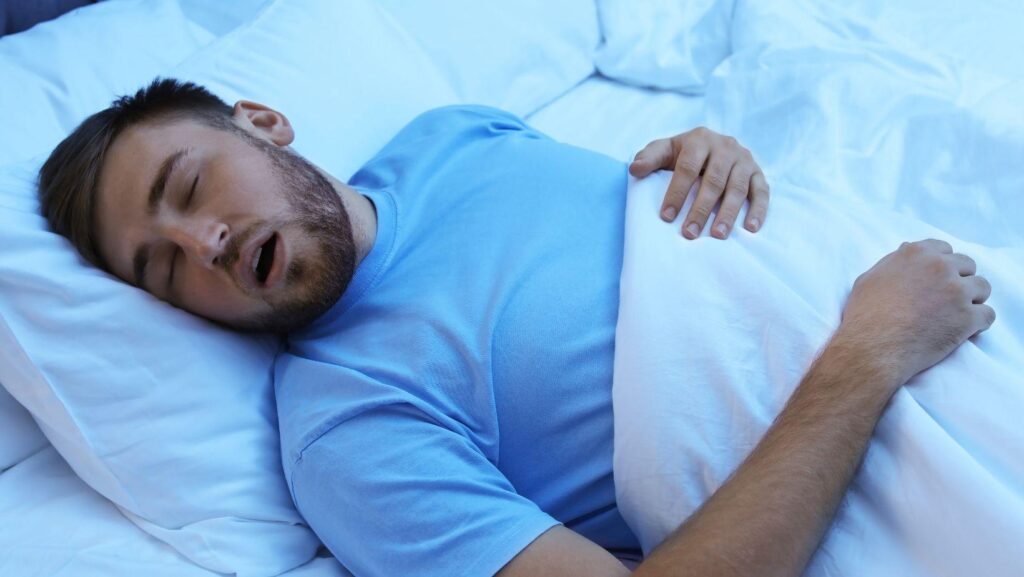
A dentist looking into your mouth can often spot the fingerprints of a breathing problem you didn’t know you had. Flattened molars, hairline cracks in your enamel, a scalloped edge along your tongue: these aren’t random cosmetic issues. They’re frequently connected to sleep apnea and your teeth in ways that dental researchers have studied directly, linking obstructive sleep apnea to measurable patterns of tooth wear.
Worn, chipped, or cracked teeth combined with dry mouth, a scalloped tongue, and morning jaw pain are among the strongest oral clues that airway obstruction is disrupting your sleep, and they warrant a conversation with both your dentist and a sleep specialist. The wear itself doesn’t diagnose sleep apnea. It’s a signal worth following up on, because the clenching and grinding behind it often start as your body’s response to a blocked airway.
Your mouth holds evidence that accumulates over months and years, long before daytime fatigue or a partner’s complaints about snoring send you looking for answers. Knowing what that evidence looks like, and raising it with a dental team like Liberty Dentistry, puts you ahead of the problem.
What Tooth Wear Can Suggest About Sleep Apnea
Tooth wear patterns tied to sleep apnea tend to show up as flattened chewing surfaces, unexplained chips or cracks, and restorations that keep failing despite decent oral hygiene. These changes trace back to nighttime bruxism, the grinding and clenching that dentists increasingly associate with airway struggles during sleep.
Flattened Biting Surfaces and Shiny Enamel
Flattened, shiny patches on your molars and incisors are a hallmark of repetitive grinding. Enamel that once had defined ridges and points wears into a smoother, plateau-like surface over time.
This pattern differs from wear caused by diet or aging alone. Grinding-related flattening tends to be more symmetrical, affecting matching teeth on both sides of the mouth, and it progresses faster than typical wear-and-tear.
Chipped Teeth, Cracked Cusps, and Failing Restorations
Small chips near the edges of teeth, cracked cusps, and crowns or fillings that loosen or fracture repeatedly point to forces well beyond normal chewing. Nighttime clenching can generate significantly more pressure than daytime biting, and teeth aren’t built to absorb that load for hours at a stretch.
If you’ve replaced the same filling more than once, or a crown keeps coming loose without an obvious reason, that pattern deserves attention. Dentists frequently mention this exact scenario when discussing sleep apnea and teeth grinding.
Why Nighttime Clenching May Accompany Airway Obstruction
Jaw clenching during sleep often coincides with the moments your airway narrows or briefly closes. As oxygen levels drop, the body reacts (sometimes with a partial arousal, sometimes with muscle tension in the jaw and neck) in an unconscious effort to reopen the airway.
That’s why sleep bruxism and obstructive sleep apnea show up together so often in dental patients. The grinding isn’t a separate habit; it can be a downstream effect of the same airway events causing fragmented sleep.
Oral Signs That Strengthen the Sleep Apnea Clue
Tooth wear rarely tells the full story by itself. Dry mouth, a scalloped tongue, a narrow palate, jaw or TMJ pain, and morning headaches each add weight to the picture, and when they appear alongside snoring or daytime sleepiness, the combination becomes harder to dismiss as coincidence.
Dry Mouth, Cavities, and Gum Irritation
Persistent dry mouth is common among people with sleep apnea because mouth breathing replaces normal nasal airflow during airway obstruction. Saliva plays a protective role against decay and gum inflammation, so a chronically dry mouth raises cavity risk and irritates gum tissue even with consistent brushing and flossing.
Dentists sometimes flag this pattern when a patient develops new cavities despite a strong hygiene routine. It’s a detail worth mentioning at your next cleaning if it applies to you.
Scalloped Tongue, Narrow Palate, and Soft-Tissue Crowding
A scalloped tongue, one with visible indentations along its edges from pressing against your teeth, often signals a tongue that’s too large for the available space or one that’s pushing forward during sleep. A narrow palate can contribute to the same crowding, leaving less room for the tongue and airway tissue.
These structural traits don’t cause sleep apnea on their own, but they’re frequently present in people who have it. Dentists trained to look for airway-related signs check for this during routine exams.
Jaw Pain, TMJ Symptoms, and Morning Headaches
Waking up with a sore jaw, clicking or popping in the TMJ, or a dull headache across your temples often reflects a night of clenching. These symptoms tend to cluster with the tooth wear described earlier, since both stem from the same muscle activity.
Morning headaches in particular deserve attention. They’re a common daytime symptom linked to fragmented sleep and oxygen dips from sleep apnea, separate from any dental wear.
When Snoring and Daytime Sleepiness Add Important Context
Loud, habitual snoring and persistent daytime sleepiness turn oral clues into a stronger case for airway involvement. Snoring reflects airway narrowing directly, while daytime fatigue reflects the sleep fragmentation that follows.
If you notice tooth wear or jaw pain alongside either of these, it’s worth mentioning both to your dentist and to your primary care provider. The pattern across dental and daytime symptoms carries more weight than any single sign on its own.
What to Do When Your Dentist Finds These Patterns
Start by treating tooth wear as a prompt for further evaluation, not a diagnosis. Dentists can identify patterns that raise suspicion of sleep apnea, but confirming the condition requires a sleep study, and treating it well requires coordination between dental and medical care.
Why Tooth Wear Alone Cannot Diagnose Obstructive Sleep Apnea
Tooth wear reflects grinding, and grinding has multiple possible causes, including stress, misaligned bites, and certain medications, independent of any airway issue. A dentist noticing flattened molars or chipped enamel can raise the possibility of sleep apnea, but only a sleep study measuring breathing patterns, oxygen levels, and heart rate during sleep can confirm it.
That distinction matters for how you respond. Wear patterns are a reason to ask questions, not a substitute for testing.
When to Seek a Sleep Evaluation
Ask for a sleep evaluation if dental wear appears alongside snoring, witnessed pauses in breathing, morning headaches, or daytime sleepiness. A primary care provider or sleep specialist can order a home sleep test or an in-lab polysomnogram depending on your symptoms and risk factors.
Don’t wait for teeth to sustain significant damage before pursuing this. Early evaluation gives you more options for protecting both your airway and your smile.
How CPAP, Oral Appliances, and Dental Protection Differ
These three approaches serve different purposes, and knowing which one addresses your specific problem matters.
|
Approach |
Primary Purpose |
Treats Airway? |
Protects Teeth? |
|
CPAP |
Keeps airway open with pressurized air |
Yes |
Indirectly, by reducing related grinding |
|
Mandibular Advancement Device |
Repositions jaw to open airway |
Yes (mild-moderate OSA) |
Yes, addresses both airway and grinding |
|
Night Guard |
Cushions teeth from grinding forces |
No |
Yes, protects enamel only |
A night guard alone won’t treat airway obstruction driving the grinding. A mandibular advancement device can address both issues at once for appropriate candidates, while CPAP remains the standard for moderate to severe cases.
Coordinating Care Between a Dentist and Sleep Specialist
Your dentist and sleep specialist should ideally communicate directly, especially if an oral appliance is part of your treatment plan. Dentists trained in dental sleep medicine can fabricate and adjust mandibular advancement devices, but the initial diagnosis and severity assessment come from a sleep physician.
Bring your dental exam findings to your sleep consultation, and share your sleep study results with your dentist. That exchange helps both providers tailor treatment to your specific anatomy and severity level.
Protecting Your Teeth Starts With Addressing the Airway
Wear patterns, chips, and failing restorations tend to keep recurring until the underlying airway issue gets treated. A night guard alone slows the damage without resolving why the grinding happens in the first place.
Pay attention to the fuller picture: dry mouth, a scalloped tongue, jaw pain, snoring, and daytime fatigue alongside any dental wear you notice. Bring these details to both your dentist and a sleep specialist rather than treating them as isolated complaints.
Addressing airway obstruction, whether through CPAP, an oral appliance, or another approach suited to your severity, gives your teeth a real chance to stop absorbing nightly damage. Your next dental exam is a reasonable place to start that conversation.