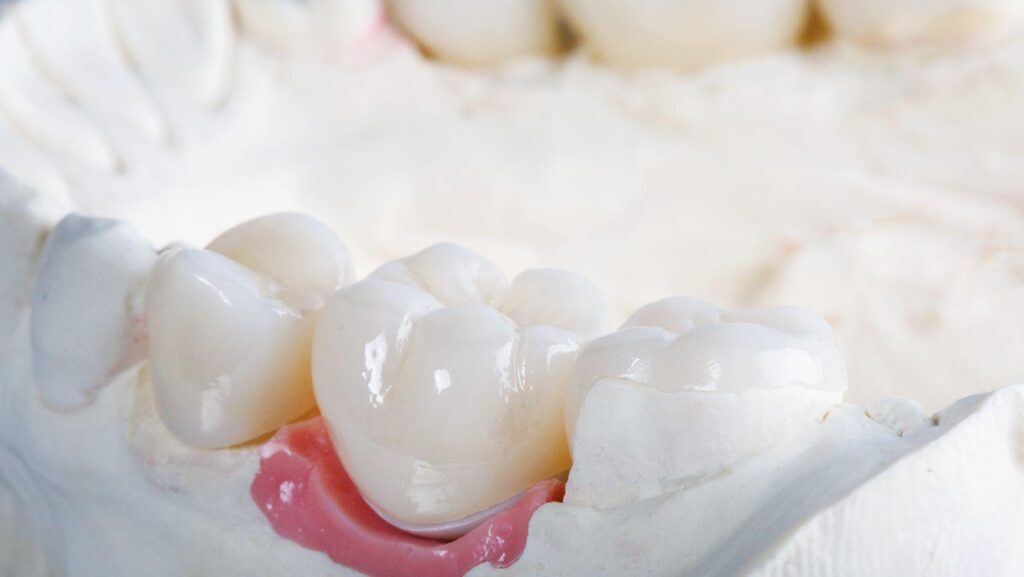
Most crowns hold up for 10 to 15 years, and plenty last two decades or longer when the fit is precise and the tooth underneath stays healthy. That range is the number dentists quote most, but it hides a lot of variation. A well-placed crown on a lower molar can outlast a similar one on a front tooth by a decade, simply because of how forces land on it every time you chew.
What often gets left out of the conversation at a routine checkup is that the crown itself rarely fails on its own. The tooth structure underneath it, your bite, and even how tightly the margins hug your gumline all decide whether that crown makes it to year 10 or needs attention by year 4. Material matters, but it’s one variable among several.
Whether you already have one or are considering dental crowns in Blaine, WA, this piece breaks down what actually drives crown longevity, from the material you chose to the habits that quietly wear one down, so you know what to watch for and when a repair beats a full replacement.
What Lifespan Can You Realistically Expect?
A crown’s expected lifespan sits between 10 and 15 years for most patients, with some materials and mouths pushing that number well past 20 or even 30. The range depends on the material used, where the tooth sits in your mouth, and how consistently you keep up with brushing, flossing, and dental checkups.
Average Crown Longevity: Why 10–15 Years Is a Benchmark, Not an Expiration Date
The 10 to 15 year figure comes from clinical averages, not a hard cutoff programmed into the material. A crown doesn’t stop working the day it hits year 15.
Think of it as a checkpoint. Many crowns are still functioning fine at that mark, with no need for replacement unless a dentist finds decay, a cracked margin, or bite problems during an exam. Others show wear earlier because of grinding habits or a less-than-ideal fit from the start.
Treat the benchmark as a planning tool rather than a countdown. It tells you when to start paying closer attention, not when to schedule automatic replacement.
How Long Zirconia, Gold, PFM, and All-Ceramic Crowns Tend to Last
Material changes the odds significantly. Here’s how the common options generally compare:
|
Material |
Typical Lifespan |
Strengths |
Trade-offs |
|
Gold |
20-30 years |
Extremely durable, gentle on opposing teeth |
Metallic color, higher cost |
|
Zirconia |
15-20+ years |
Very strong, resists chipping |
Can be harder on opposing enamel |
|
Porcelain-Fused-to-Metal (PFM) |
10-15 years |
Strong core, natural-looking surface |
Porcelain layer can chip over time |
|
All-Ceramic/All-Porcelain |
7-15 years |
Best cosmetic match, ideal for front teeth |
Less fracture-resistant under heavy force |
Gold remains the longevity champion in molars where appearance isn’t a concern. Zirconia has become a popular middle ground, offering strength close to metal with a more natural look. All-ceramic crowns look the most like real teeth but wear faster under heavy chewing loads, which is why they’re used more often on front teeth than back molars.
Why a Crown’s Location in Your Mouth Changes Its Durability
Location changes the physics your crown deals with every day. Molars absorb far more bite force than incisors, sometimes several times your body weight in pounds per square inch during chewing, which shortens the practical lifespan of a crown placed there regardless of material.
Front teeth face less crushing force but more risk from biting into hard foods, opening packages, or accidental impact. A crown on a canine or incisor might last longer structurally but show chips or edge wear sooner from these habits.
Crowns in the back of the mouth also sit in a spot that’s harder to clean thoroughly, which raises the risk of decay forming at the margin over time.
What Determines Whether a Crown Lasts or Fails Early?
A crown’s lifespan is decided more by fit, bite forces, and the health of the tooth underneath than by the material label on the lab slip. Two patients with identical zirconia crowns can have completely different outcomes based on these factors alone.
The Hidden Importance of Crown Fit and the Seal at the Gumline
A crown that fits precisely at the gumline keeps bacteria out and pressure evenly distributed. This margin, the tiny seam where crown meets natural tooth, is where most long-term problems start if it isn’t sealed correctly.
A gap of even a fraction of a millimeter gives plaque and bacteria a foothold. Over months and years, that can lead to decay creeping in underneath the crown, invisible from the surface until a dentist checks it with an X-ray or explorer.
A crown that’s shaped too high or sits at an odd angle can also irritate the surrounding gum tissue, leading to inflammation, recession, or discomfort that eventually forces an adjustment or replacement.
How Grinding, Clenching, and Bite Force Affect a Crown
Grinding and clenching put more stress on a crown than normal chewing ever does. Patients with bruxism, especially those who grind at night without a guard, wear through porcelain layers and stress the underlying cement far faster than patients with a calm bite pattern.
Signs of bite-related wear include flattened chewing surfaces, small chips at the edges, or a crown that loosens slightly over time from repeated micro-movement.
A night guard is one of the simplest interventions here. It won’t stop clenching, but it absorbs the force before it reaches the crown, which can add years to a restoration that would otherwise wear down in half the expected time.
Why Decay and Gum Disease Can End a Crown’s Life Before the Crown Breaks
Most crown “failures” aren’t cracked porcelain or worn-through metal. They’re decay or gum disease attacking the tooth structure the crown is attached to.
A crown protects the visible surface of a tooth, but it doesn’t protect the root or the margin where the crown meets natural enamel. If bacteria gets underneath through a compromised seal or a new cavity forms at the edge, the tooth can decay even while the crown itself looks intact.
Gum disease adds another layer of risk. Receding gums expose the crown’s margin and the tooth root beneath it, both vulnerable spots that weren’t designed to be exposed to daily wear and bacteria.
When Does a Crown Need Attention or Replacement?
A crown needs prompt evaluation when you notice pain, looseness, visible damage, or a change in your bite, and a dentist should be the one deciding whether that means a repair or a full replacement. Waiting on symptoms rarely improves the outcome and often turns a simple fix into a bigger procedure.
Which Symptoms Need a Prompt Dental Visit
Certain signs point to a problem that won’t resolve on its own:
- Sharp or lingering sensitivity to hot or cold under the crowned tooth
- A crown that feels loose or shifts slightly when you bite down
- Visible chips, cracks, or rough edges you can feel with your tongue
- Persistent bad breath or an unusual taste near the crowned tooth
- Gum swelling, tenderness, or bleeding around the crown’s margin
- A noticeable change in how your teeth meet when you bite
Any one of these warrants a call to your dentist rather than a wait-and-see approach. Decay under a crown doesn’t announce itself with obvious pain until it’s progressed significantly.
Can a Loose, Chipped, or Worn Crown Be Repaired Instead?
Many crown issues can be repaired without full replacement, especially when caught early. A small chip in porcelain can sometimes be smoothed or patched. A loose crown can often be re-cemented if the underlying tooth structure is still sound and decay-free.
Repair works best when the crown itself is structurally intact and the problem is isolated, such as a cement failure or a minor cosmetic chip. It becomes a poor option when decay has spread under the margin or the crown has fractured through its core.
What Dentists Check Before Replacing an Existing Crown
Before recommending replacement, a dentist examines the crown margin for gaps or decay, checks the fit against your bite using articulating paper, and takes an X-ray to assess the health of the tooth root and surrounding bone. Gum tissue around the crown gets checked for inflammation or recession.
This evaluation determines whether the existing crown can be adjusted, re-cemented, or needs to come off entirely so the tooth underneath can be treated and re-crowned.
A Crown Lasts Longest When the Tooth Beneath It Stays Healthy
A crown’s true lifespan is set by the condition of the natural tooth it protects, not by a countdown printed on the material. Zirconia, gold, PFM, and all-ceramic crowns each bring different strengths, but every one of them depends on a tight margin, a stable bite, and a tooth free of decay to reach its full potential.
Grinding habits, gum health, and where the crown sits in your mouth all shift the timeline in either direction. A night guard, consistent flossing around the margin, and routine dental checkups do more to extend a crown’s working life than choosing one material over another.
Watch for looseness, sensitivity, or a shifting bite, and get those checked early. Catching a problem at the repair stage, before it turns into a full replacement, is what actually separates a crown that lasts 10 years from one that lasts 25.