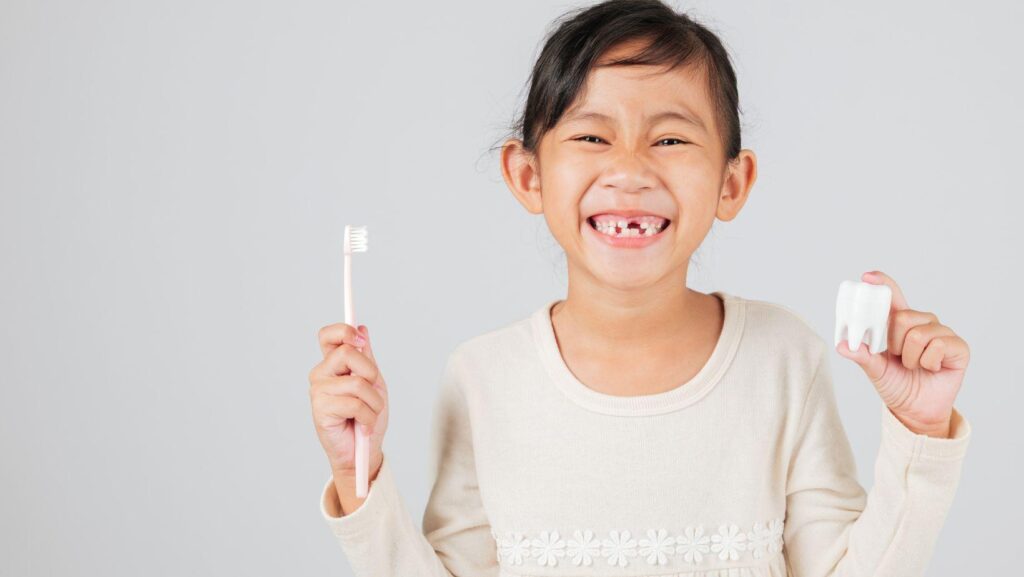
A parent who supervises every brushing session, buys the fluoride toothpaste, and still hears “your child has a cavity” at the dentist’s office is not imagining a contradiction. Brushing removes plaque from tooth surfaces, but it does not change the bacteria living in a child’s mouth, the frequency of sugar exposure between meals, or the strength of the enamel those bacteria are attacking. Two kids with identical brushing routines can end up with very different cavity counts.
Cavities form from a combination of bacteria, diet frequency, saliva quality, and enamel strength, so brushing well is only one piece of a larger risk picture. Some children carry higher levels of cavity-causing bacteria in their mouths from infancy, long before they ever pick up a toothbrush. Others have enamel that formed with minor defects, or saliva that does not neutralize acid as effectively as it should.
None of this means brushing is pointless. It means a child prone to cavities needs a plan, ideally built with a dental team like Brush Dental Studio, that accounts for what is happening in their mouth beyond the two minutes of brushing morning and night.
Why Brushing Alone Cannot Prevent Every Cavity
Brushing removes plaque and food debris, but cavities are driven by a chemical process that keeps running between brushing sessions. Bacteria feed on sugar and starch left on teeth, producing acid that wears down enamel every time sugar is present, regardless of how thoroughly the teeth were cleaned hours earlier.
How Cavities Form From Bacteria, Acid, Diet, and Time
Cavities develop through a specific chain of events: bacteria on the teeth consume sugars from food, produce acid as a byproduct, and that acid dissolves minerals out of the enamel. Repeated over time, this mineral loss creates a cavity. Saliva can redeposit some minerals between attacks, but frequent acid exposure overwhelms that repair process.
The bacteria themselves matter, too. Children with higher levels of specific sugar-metabolizing bacteria in their mouths face a steeper uphill climb, since those bacteria produce more acid from the same amount of sugar than a typical oral microbiome would.
Why Frequent Snacking and Sipping Keep Teeth Under Acid Attack
Grazing throughout the day does more damage than the total amount of sugar consumed. Every time a child eats or drinks something with sugar or starch, teeth enter an acid attack that lasts roughly 20 to 30 minutes.
A child who snacks five or six times a day, or sips juice from a cup over an hour, keeps teeth in a near-constant state of acid exposure. Three meals with two structured snacks gives enamel real recovery windows; nonstop grazing does not.
Where Toothbrushes Commonly Miss Plaque
Brushes reliably miss the back molars, the gumline, and the tight contact points between teeth. Kids in particular tend to rush the back teeth and skip the inner surfaces facing the tongue.
Plaque left in these spots hardens and continues feeding acid production, even in a child who brushes twice a day without fail. This is one reason flossing and a dentist’s professional cleaning catch what a home routine leaves behind.
Hidden Factors That Can Raise a Child’s Decay Risk
Some of the biggest drivers of childhood cavities have nothing to do with brushing technique. Saliva composition, enamel formation, and health conditions like mouth breathing or dry mouth all shape how vulnerable a child’s teeth are before a toothbrush ever touches them.
How Saliva Protects Teeth Between Brushing Sessions
Saliva neutralizes acid and redeposits calcium and phosphate into enamel, acting as a natural repair system between meals. A child with reduced saliva flow, or saliva that is more acidic to begin with, loses much of that built-in protection.
Saliva also washes away food particles and dilutes sugar concentration on teeth. When flow is low, sugar and acid linger longer on tooth surfaces, giving bacteria more time to do damage regardless of brushing frequency.
When Enamel Defects Make Teeth More Vulnerable
Enamel that formed with weak spots or defects breaks down faster under the same acid exposure that a stronger tooth would tolerate. These defects can result from illness, certain medications, or nutritional gaps during the years a child’s adult teeth were developing under the gums, and they are invisible until decay shows up.
Primary teeth also have thinner enamel than adult teeth, which is part of why cavities can progress faster in young children.
How Medications, Dry Mouth, and Mouth Breathing Affect Risk
Certain medications reduce saliva production as a side effect, and a child on daily allergy or asthma medication can end up with a persistently drier mouth. Mouth breathing, common with allergies or enlarged tonsils, dries out oral tissue overnight and creates favorable conditions for bacteria to multiply for hours at a stretch.
A child who breathes through their mouth for eight hours of sleep gives bacteria a long, uninterrupted window with little saliva to fight back.
How to Build a Prevention Plan for a Cavity-Prone Child
A prevention plan for a cavity-prone child combines smarter eating patterns, fluoride and sealants, and dentist-guided risk assessment rather than relying on brushing alone. Each piece addresses a different part of the cavity equation.
Creating Better Meal, Snack, and Drink Routines
Limiting sugar exposure to set times, rather than letting it spread across the day, gives teeth real recovery periods. Structured meals and two planned snacks work better than open grazing or a sippy cup of juice carried around for hours.
Water between meals, rinsing after sticky or sugary snacks, and saving sweets for right after a meal (when saliva flow is already elevated) all reduce the number of daily acid attacks.
Using Fluoride, Sealants, and Professional Prevention
Fluoride toothpaste, fluoride varnish applied at dental visits, and sealants on molars each target a different weak point. Fluoride strengthens enamel and helps reverse early mineral loss; sealants physically block bacteria from settling into the deep grooves of back teeth where brushes struggle to reach.
For a child with a history of cavities, a dentist may recommend prescription-strength fluoride toothpaste or more frequent varnish applications.
When to Ask a Pediatric Dentist About Individual Risk
Ask about individual risk at the first sign of repeat cavities, visible white or brown spots on teeth, or a family history of heavy decay. A pediatric dentist can assess saliva flow, enamel condition, and bacterial load, then tailor recommendations instead of applying generic advice.
This conversation matters most before age 2, when a first dental visit can catch enamel issues early, and again at any point a new cavity appears despite consistent home care.
A Personalized Plan Can Protect Teeth Beyond Brushing
Brushing removes surface plaque, but it does not change bacteria levels, saliva strength, or enamel quality, the factors that quietly drive most childhood cavities. A child who keeps getting cavities despite careful brushing is dealing with biology, not a hygiene failure.
Addressing snack frequency, adding fluoride or sealants, and getting a dentist’s assessment of individual risk factors closes the gaps that brushing cannot reach on its own. Combined with a consistent home routine, that fuller plan gives a cavity-prone child’s teeth an actual chance to catch up.