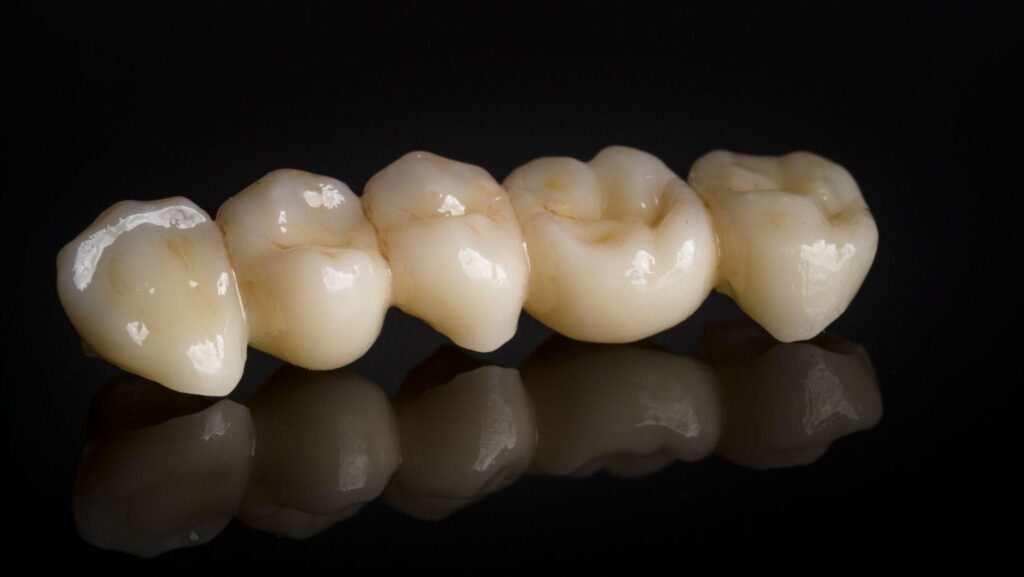
A full arch restoration lives or dies on its framework, and that choice usually comes down to titanium or zirconia. Titanium frameworks suit patients who need maximum flexural strength across long spans and a lighter prosthesis, while monolithic zirconia suits patients prioritizing a metal-free, tooth-colored result with fewer visible junctions.
Both materials have decades of clinical use behind them in implant dentistry, and both can deliver a durable full arch prosthesis when matched to the right bite forces and implant layout.
The debate gets more nuanced once you look past the marketing. Titanium bars flex slightly under load, which can protect implants from stress but historically meant a pink acrylic or composite veneer that could chip or stain. Monolithic zirconia removes that veneering layer entirely, but its rigidity changes how forces travel to the implants beneath it.
Neither material is universally “better.” For patients considering full arch implants in Pittsburgh, the right pick depends on jaw anatomy, the number and position of implants, parafunctional habits like bruxism, and how much the patient values esthetics versus long-term serviceability.
How Titanium and Zirconia Frameworks Differ
Titanium and zirconia behave differently under load, weigh differently in the mouth, and get manufactured through distinct lab workflows. Those mechanical differences drive most of the clinical decisions that follow.
Material Strength, Weight, and Flexibility
Titanium offers high tensile strength combined with a degree of flexibility that lets a full arch bar absorb occlusal forces without transmitting all of that stress to the implants. It’s also notably lighter than zirconia, a difference patients often notice in the first weeks of wearing a new prosthesis. Zirconia is harder and more rigid, with compressive strength that exceeds titanium, but that rigidity means it transmits load more directly. A monolithic zirconia bridge typically weighs 30 to 50 percent more than a comparable acrylic-on-titanium hybrid. Patients adjust to the added weight within a short adaptation period in most cases.
Monolithic Zirconia vs. Titanium Bar Designs
A titanium bar design pairs a milled or cast titanium substructure with an acrylic or composite superstructure, while monolithic zirconia is milled as a single ceramic block with no separate veneering material. That construction difference shapes long-term maintenance. Titanium bar frameworks rely on the acrylic layer for esthetics and cushioning, and that acrylic wears, stains, and occasionally fractures away from the metal. Monolithic zirconia skips the acrylic entirely, milling the pink gingival contour and white dentition from the same ceramic puck. Some labs now bond a titanium bar infrastructure to a monolithic zirconia suprastructure, combining the metal’s fit precision with the ceramic’s surface durability. Digital files from milled titanium frameworks also allow a lab to remanufacture an identical bar if the original is ever lost or damaged, an option that cast frameworks don’t offer.
How Framework Design Affects Implant Load Distribution
Framework rigidity determines how evenly forces spread across the implants supporting it. Titanium’s slight flex allows a full arch bar to distribute occlusal load across multiple implants even when one implant carries a bit more force than its neighbors. Zirconia’s rigidity means passive fit at the time of insertion matters enormously; any discrepancy in the framework can concentrate stress on a single implant instead of spreading it. Finite element analysis comparing titanium, zirconia, and PEEK frameworks in four-implant full arch designs shows measurable differences in stress distribution and deformation patterns between the materials, reinforcing why implant number and position factor into which framework performs best.
Choosing a Framework for Function, Hygiene, and Esthetics
Hygiene outcomes, chip risk, appearance, and cost all shift depending on which framework sits under the prosthesis. These four factors tend to carry the most weight in a real-world treatment decision.
Plaque Accumulation and Soft-Tissue Response
Monolithic zirconia’s smooth, dense surface holds up well against plaque accumulation compared to acrylic-veneered titanium frameworks. A clinical study comparing complete arch implant-supported fixed maxillary prostheses found measurable differences in plaque accumulation and soft-tissue inflammation between titanium framework and monolithic zirconia designs, with the ceramic surface generally resisting bacterial adhesion better than acrylic. Acrylic’s porosity makes it more prone to staining and biofilm buildup over years of use, particularly near the tissue-contacting surfaces of a hybrid prosthesis. Patients with a history of peri-implant inflammation often do better long-term with a monolithic zirconia surface that’s easier to keep clean between hygiene visits.
Durability, Chipping Risk, and Repairability
Titanium bar hybrids chip and wear at the acrylic layer more often than monolithic zirconia chips at the ceramic layer, but titanium repairs are usually simpler chairside fixes. Acrylic teeth on a titanium hybrid can be replaced or relined without remaking the entire prosthesis. Monolithic zirconia rarely chips because it has no veneering porcelain, but when it does fracture or an implant needs access, repair often means sending the case back to the lab or remaking the framework outright. That trade-off between frequent minor repairs and rare major ones shapes long-term maintenance planning for both materials.
Appearance, Translucency, and Prosthetic Space
Monolithic zirconia delivers more natural translucency and a metal-free result, while titanium requires enough acrylic or composite thickness to mask the metal substructure. Zirconia’s light-transmitting properties let technicians layer shading effects that mimic natural enamel more closely than opaque acrylic can. Titanium frameworks need adequate prosthetic space to hide the metal collar and support the acrylic teeth; in cases with limited vertical space, that requirement can constrain design options. Zirconia’s monolithic build often fits tighter interarch spaces more comfortably.
Cost, Laboratory Workflow, and Long-Term Maintenance
Titanium acrylic hybrids typically cost less upfront than monolithic zirconia, though zirconia’s lower repair frequency can offset that gap over years of wear. Milling titanium requires specialized equipment and finishing time, while zirconia milling and sintering add their own lab steps and turnaround. Practices that already have an established digital workflow for one material often stay with it, since switching between titanium and zirconia production lines means retraining lab technicians and requalifying fit protocols.
|
Factor |
Titanium (Acrylic Hybrid) |
Monolithic Zirconia |
|
Weight |
Lighter |
30-50% heavier |
|
Flexibility |
Flexes slightly under load |
Rigid |
|
Plaque resistance |
Lower (acrylic surface) |
Higher (dense ceramic) |
|
Chip risk |
Acrylic teeth chip/wear |
Rare chipping |
|
Repair |
Chairside reline/replace |
Often lab remake |
|
Esthetics |
Needs acrylic thickness |
Natural translucency |
Matching the Framework to the Patient and Treatment Plan
The right framework tracks closely with implant count, bite force, and how well a patient maintains oral hygiene. Matching material to those specifics prevents the most common full arch complications.
When a Titanium Framework May Be Preferred
A titanium framework fits patients with strong bite forces, bruxism, or fewer implants supporting the arch. Its flexibility helps absorb heavy occlusal loads without concentrating stress on a single fixture, which matters when only four implants are carrying the full prosthesis. Titanium also suits cases needing future serviceability, since the digital milling file allows a lab to reproduce the bar precisely if repairs or updates become necessary years later.
When Monolithic Zirconia May Be Preferred
Monolithic zirconia fits patients prioritizing a metal-free result, tighter interarch space, or long-term hygiene simplicity. It works well in the esthetic zone where translucency matters, and its resistance to staining benefits patients who drink coffee, tea, or red wine regularly. Cases with six or more well-distributed implants tolerate zirconia’s rigidity better, since load spreads across more fixtures rather than concentrating on a few.
Why Implant Position, Bite Forces, and Hygiene Matter
Implant number and position determine how forgiving either framework can be. Widely spaced implants with favorable angulation tolerate zirconia’s rigidity better than a cantilevered or closely grouped implant layout. Patients with heavy bite forces or nighttime clenching put more demand on the framework’s ability to flex or absorb shock, favoring titanium in borderline cases. Hygiene habits factor in too: patients who struggle with home care benefit from zirconia’s plaque-resistant surface, while diligent patients get excellent results from either material.
Selecting the Full Arch Framework That Fits the Case
Titanium and monolithic zirconia both hold up as long-term full arch solutions when matched to the right implant layout and bite pattern. Titanium’s flexibility and lighter weight favor patients with fewer implants or heavier bite forces, while zirconia’s rigidity and metal-free esthetics suit patients with well-distributed implants and a preference for a natural-looking, easy-to-clean surface.
Cost, repairability, and hygiene needs round out the decision. Titanium hybrids cost less initially and repair chairside, while zirconia costs more upfront but resists plaque and staining better over time. Reviewing implant count, occlusal forces, and hygiene habits with your restorative team before finalizing the framework gives the prosthesis the best chance at a long, complication-free service life.